Showing posts with label artificial intelligence. Show all posts

Sunday, May 26, 2024

Beyond the Physical: How AI Can/Could Revolutionize Holistic Healthcare


In today's fast-paced world, the healthcare industry is experiencing a transformative shift, driven by the rapid advancements in Artificial Intelligence (AI).  While AI's potential in enhancing diagnostic accuracy and treatment efficacy is widely recognized, its capacity to foster a more holistic approach to health care is equally groundbreaking.  By considering the full spectrum of physical, mental, psychological, emotional, and environmental factors, AI is poised to revolutionize how we perceive and manage health.


The Shift from Symptom-Centric to Whole-Person Care

Traditionally, medical diagnosis and treatment have often been symptom-centric, focusing on alleviating immediate physical symptoms.  However, health is a complex interplay of various factors, including mental health, emotional well-being, and environmental influences.  Ignoring these aspects can lead to incomplete treatment and missed opportunities for preventative care.  This is where AI steps in, with its ability to analyze vast amounts of data and recognize patterns that might be invisible to the human eye.

AI in Physical Health: Beyond Diagnostics

AI's role in physical health is well-documented.  From detecting anomalies in medical imaging to predicting disease outbreaks, AI tools have significantly enhanced the precision and speed of diagnostics.  Machine learning algorithms can process and interpret complex data sets, leading to early detection of diseases such as cancer and heart conditions.  However, the scope of AI extends far beyond these applications.

Integrating Mental and Psychological Health

Mental health is an integral part of overall well-being, yet it often remains siloed from physical health care.  AI can bridge this gap by incorporating mental health data into broader health assessments.  For instance, AI-driven platforms can analyze patient data from various sources, including electronic health records, wearable devices, and even social media interactions, to identify signs of mental health issues such as depression or anxiety.  By doing so, AI enables healthcare providers to offer more personalized and comprehensive care plans.

Emotional and Environmental Considerations

Emotional well-being and environmental factors are crucial determinants of health.  AI can analyze data related to a patient's living conditions, social interactions, and lifestyle choices to provide insights into how these factors impact health.  For example, AI can assess the impact of air quality on respiratory conditions or evaluate the role of social support networks in recovery from illness.  By understanding these influences, healthcare providers can design interventions that address not just the symptoms but also the root causes of health issues.

Personalized and Preventative Care

One of the most promising aspects of AI in holistic health is its ability to deliver personalized and preventative care.  By synthesizing data across various health determinants, AI can predict potential health risks and recommend proactive measures.  This approach not only improves patient outcomes but also reduces the burden on healthcare systems by preventing diseases before they develop.

The Road Ahead

The journey towards a truly holistic healthcare system powered by AI is just beginning.  For AI to realize its full potential, several challenges must be addressed, including data privacy concerns, the need for standardized data formats, and ensuring equitable access to AI-driven health solutions.  Moreover, the integration of AI into healthcare requires collaboration across various sectors, including technology, medicine, and public health.

Conclusion

AI's ability to consider the whole person—physical, mental, psychological, emotional, and environmental aspects—marks a paradigm shift in healthcare.  By embracing this holistic approach, we can move towards a future where health care is not just about treating diseases but about enhancing overall well-being.  As we continue to explore and harness the potential of AI, we must remain committed to ethical considerations and ensure that these advancements benefit all individuals, fostering a healthier and more equitable world.

In a world where the intricacies of human health are better understood and addressed, AI stands as a powerful ally, guiding us towards a more integrated and holistic approach to well-being.  Let's embrace this transformation and work towards a future where health care truly encompasses the whole person.

"Future Healthcare Today: How Technology is Revolutionizing Holistic Wellness” -  https://books2read.com/u/3nBMDo

Share your thoughts!  How do you see generative AI affecting Holistic Health?  Let's discuss in the comments below.

Thanks to Generative AI, Google Bard/Gemini and ChatGPT, for help preparing this article.

If you like my work, please check out my Author Page.  Thanks!

Disclaimer - For informational purposes only.  This article is not a substitute for professional medical advice.  Always consult a qualified healthcare provider.  Additional Disclaimers here.


#AIforDoctors #AIforHealth #AIforWellbeing #AIHealthSolutions #AIinDiagnostics #AIinHealthcare #AIinMedicine #ArtificialIntelligence #AdvancedHealthcare #ComprehensiveCare #DigitalHealth #FutureofHealth #FutureOfHealthcare #FutureOfMedicine #HealthandWellness #HealthDeterminants #HealthInnovation #HealthcareAI #HealthcareInnovation #HealthcareRevolution #HolisticDiagnosis #HolisticHealth #HolisticTreatment #HumaninHealthcare #IntegratedHealth #MentalHealth #MentalHealthAI #MindBodyConnection #MindBodyHealth #PatientCare #PatientCenteredAI #PersonalizedMedicine #PersonalizedTreatment #PredictiveAnalytics #PredictiveHealthcare #PreventativeCare #SmartHealthcare #TotalHealthApproach #WholePersonCare


Friday, November 3, 2023

How to Navigate the Complex Emotions Surrounding Artificial Intelligence


Introduction

Artificial Intelligence (AI) has become a transformative force in our lives, reshaping the way we work, communicate, and even think. The rapid advancements in AI technology have brought about profound changes that elicit complex emotional and psychological responses from individuals. In this comprehensive exploration, we will delve into the multifaceted emotional terrain, the profound psychological impact, and the behavioral responses provoked by AI's pervasive presence. Furthermore, we will emphasize the therapeutic potential of writing as a means to help individuals not only understand their feelings but also to find acceptance, enact change, and discover personal peace in the age of artificial intelligence.


The Emotional Landscape

AI's ascent has ignited an emotional rollercoaster, with individuals experiencing a wide spectrum of feelings. From awe and fascination to apprehension and fear, the emotional journey in response to AI's proliferation is both fascinating and, at times, overwhelming. These emotions are often rooted in the profound implications AI holds for our society.

1. Excitement and Awe: For many, the promise of AI technologies is a source of excitement and wonder. Witnessing machines mimic human intelligence, learn from data, and adapt their behavior fuels a sense of amazement. The rapidity and precision with which AI systems process information, solve problems, and predict outcomes leave individuals in awe. The potential for AI to revolutionize industries, elevate human potential, and usher in a future where once-unimaginable possibilities become reality fosters a deep sense of optimism.

2. Fear and Uncertainty: Conversely, AI can evoke feelings of fear and uncertainty. As AI continues to advance, concerns about its ethical implications and its impact on human labor arise. Fears of job displacement, loss of privacy, and the rise of autonomous systems that may surpass human decision-making abilities can leave individuals feeling vulnerable and anxious. The fear of losing control or being marginalized in a world increasingly driven by AI can be disconcerting, leading to a wide range of emotions such as apprehension, suspicion, and even resistance.

3. Fascination and Curiosity: Amidst this mix of emotions, many people find themselves captivated by the fascinating nature of AI. The ability to witness machines mimicking human intelligence, learning from data, and adapting their behavior stirs curiosity within individuals. Questions about the inner workings of AI algorithms, the boundaries of machine learning, and the potential emergence of consciousness in machines spark intellectual exploration. This fascination often leads to active engagement with AI technologies, driving individuals to seek knowledge and immerse themselves in the world of artificial intelligence.

4. Ethical Dilemmas and Moral Quandaries: AI's rise also brings forth ethical dilemmas that can deeply impact individuals. As AI becomes increasingly integrated into various aspects of our lives, questions of accountability, bias, and the potential for unintended consequences arise. Individuals grapple with moral quandaries regarding the use of AI in areas such as autonomous weapons, facial recognition, and algorithmic decision-making. The emotional response to these ethical challenges ranges from frustration and outrage to a deep sense of responsibility to ensure AI is developed and used in an ethical and socially beneficial manner.

The Psychological Impact

The emotional spectrum surrounding AI can have profound psychological consequences for individuals. These impacts extend into various facets of life and have the potential to shape personal well-being, mental health, and societal dynamics.

1. Job Displacement and Economic Insecurity: AI's potential to automate jobs and displace workers creates a profound sense of economic insecurity. Individuals may fear unemployment, underemployment, or a shift in the nature of work that challenges their employability. The uncertainty and stress arising from these concerns can lead to mental health issues, including anxiety and depression.

2. Privacy and Autonomy: The pervasive collection and utilization of personal data by AI systems raise concerns about privacy and autonomy. Individuals may feel that their private lives are constantly under surveillance and that their autonomy in decision-making is eroding. This can lead to feelings of vulnerability and a loss of control over one's own life.

3. Dependence and Disconnection: The convenience and efficiency of AI can foster a sense of dependence, wherein individuals rely on AI for decision-making, recommendations, and even social interactions. This dependence can result in a perceived loss of self-confidence and decision-making skills, leading to feelings of disconnection from one's own abilities.

4. Existential Anxiety: AI's rapid development forces individuals to confront existential questions about the role of humanity in a world increasingly dominated by intelligent machines. This existential anxiety can evoke a deep sense of unease and self-reflection.

Behavioral Responses

The emotional and psychological responses to AI often manifest as behavioral reactions, further complicating the relationship between individuals and technology.

1. Resistance and Advocacy: Some individuals respond to the emotional and psychological impact of AI with resistance. They may actively avoid AI technologies, advocate for stricter regulations, or engage in movements aimed at reducing AI's influence. Such advocacy can be a form of resistance against AI's encroachment into various aspects of life.


2. Eager Adoption and Trust: Conversely, some individuals enthusiastically embrace AI. They become early adopters of new technologies, invest trust in machine-driven decisions, and actively integrate AI into their lives. These individuals may be driven by a belief in AI's potential to enhance their daily experiences and quality of life.

3. Social and Personal Conflicts: The differing behavioral responses to AI can lead to social and personal conflicts. Individuals who resist AI may clash with those who eagerly adopt it, leading to disputes and differences in values and perspectives.

Writing as a Therapeutic Outlet

Writing can serve as a powerful therapeutic outlet for individuals to explore and process their emotions surrounding AI. By engaging in the act of writing, individuals can externalize their feelings, gain clarity, and attain a deeper understanding of their own beliefs and values. Here's how writing can help:

1. Self-Reflection: Through writing, individuals can delve into their own thoughts and feelings, gaining a deeper understanding of their emotional responses to AI.

2. Catharsis: Expressing emotions on paper can provide relief, serving as an emotional release valve and reducing anxiety and stress.

3. Clarity: Writing helps individuals organize their thoughts, making it easier to identify actionable steps and solutions to address their concerns about AI.

4. Empowerment: Documenting fears and aspirations can empower individuals to take control of their own narrative and actively shape their relationship with AI.

5. Acceptance and Transformation: By acknowledging their emotions, individuals can begin the journey towards acceptance and personal growth in the age of AI.

Writing can serve as a means for individuals to reflect on their experiences with AI, documenting both positive and negative encounters. They can express their excitement, fears, and uncertainties, allowing them to externalize their emotions and gain a sense of relief. Journaling acts as a catalyst for self-reflection, allowing individuals to identify and challenge their preconceived notions, biases, and fears regarding AI.

Moreover, journaling can be an opportunity for individuals to explore ethical dilemmas, grapple with moral questions, and develop their own guidelines and principles for engaging with AI responsibly. It provides a private space for individuals to work through their feelings and find acceptance in an AI-driven world.

Conclusion

As artificial intelligence continues its relentless expansion, the emotional and psychological aspects of this transformation grow increasingly significant. Emotions tied to AI span a wide spectrum, from excitement and awe to fear and uncertainty. These feelings often arise from the profound implications AI holds for society, the workplace, and daily life. The psychological impacts of AI are equally multifaceted, affecting individuals' sense of security, autonomy, and even their sense of self.

These emotional and psychological responses are not just passive reactions; they frequently lead to behavioral responses, such as resistance or eager adoption, influencing the social and personal dynamics in AI's presence. Yet, writing stands as a powerful tool for individuals to navigate these emotions, providing an avenue for understanding, acceptance, transformation, and, ultimately, personal peace in the age of artificial intelligence. By acknowledging and addressing their emotions, individuals can equip themselves to better understand and respond to the profound changes AI brings about. In an increasingly AI-driven world, self-awareness and emotional resilience will become invaluable, fostering a more harmonious relationship between humans and intelligent machines.

***

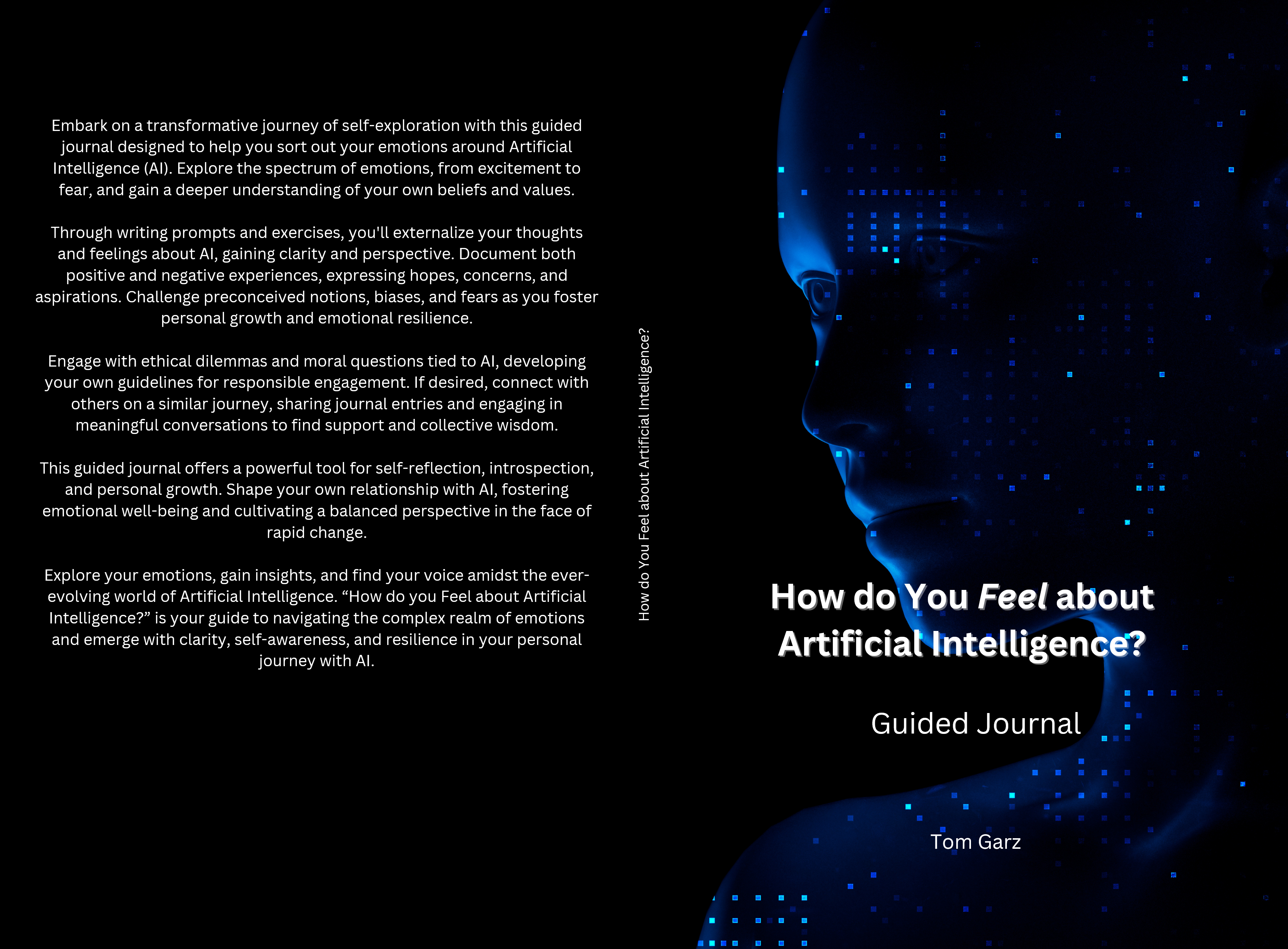
If interested, my book, “How do You Feel about Artificial Intelligence: Guided Journal” provides a safe and structured space for you to explore your relationship with AI. Through a series of prompts and exercises, you'll be able to:

·         Identify your fears and concerns about AI

·         Explore the potential benefits of AI

·         Develop a more positive outlook on AI

·         Develop a plan for how to use AI in a way that benefits you and society

Thanks to generative AI in preparing this article.

Disclaimers - The information in this article/book is for educational purposes only and is not intended to be a substitute for professional medical advice, diagnosis, or treatment. Always seek the advice of your doctor or other qualified healthcare provider with any questions you may have regarding a medical condition. Never disregard professional medical advice or delay in seeking it because of something you have read in this article/book.  The author of the article/book is not a medical professional. The information in the article/book is not intended to diagnose or treat any specific medical condition. The reader should consult with their doctor before making any changes to their diet, exercise routine, or medication. The reader should not disregard professional medical advice because of something they have read in the article/book. 

**********

#artificialintelligence #AI #emotionalimpact #psychologicalconsequences #mentalhealth #futureofemotions #copingmechanisms #writingastherapy #acceptance #personalpeace #ageofAI #jobdisplacement #privacy #dependence #existentialanxiety #resistance #advocacy #socialconflict #selfreflection #catharsis #clarity #empowerment #transformation

@GoogleAI @OpenAI @DeepMind @FAIR @AllenAI @MITCSAIL